

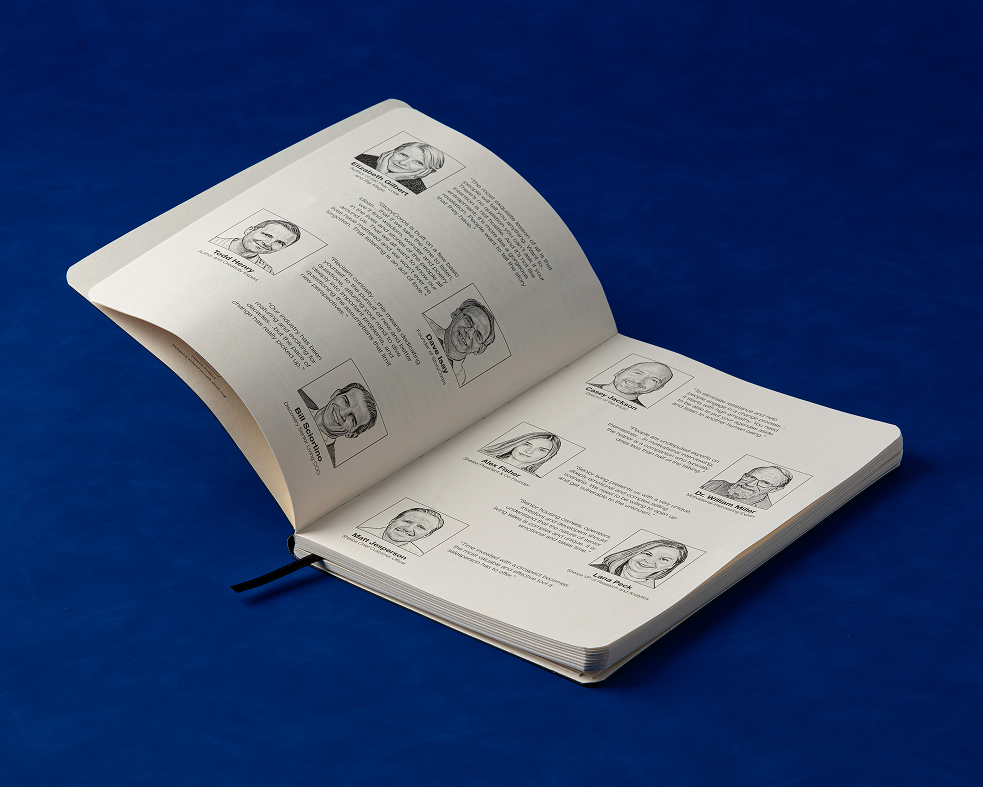
When people ask for a custom printed journal, the bit they usually care about most is the inside. The interior is what turns a notebook into a system. It’s also the part that drives most of the complexity, pricing, and production decisions. This guide breaks down the main approaches to printing inside pages, what affects cost, how to keep the product usable, and what you need ready before you ask for a quote.
Find out more on custom printed journals
Ready to enquire? Contact us on Bookblock
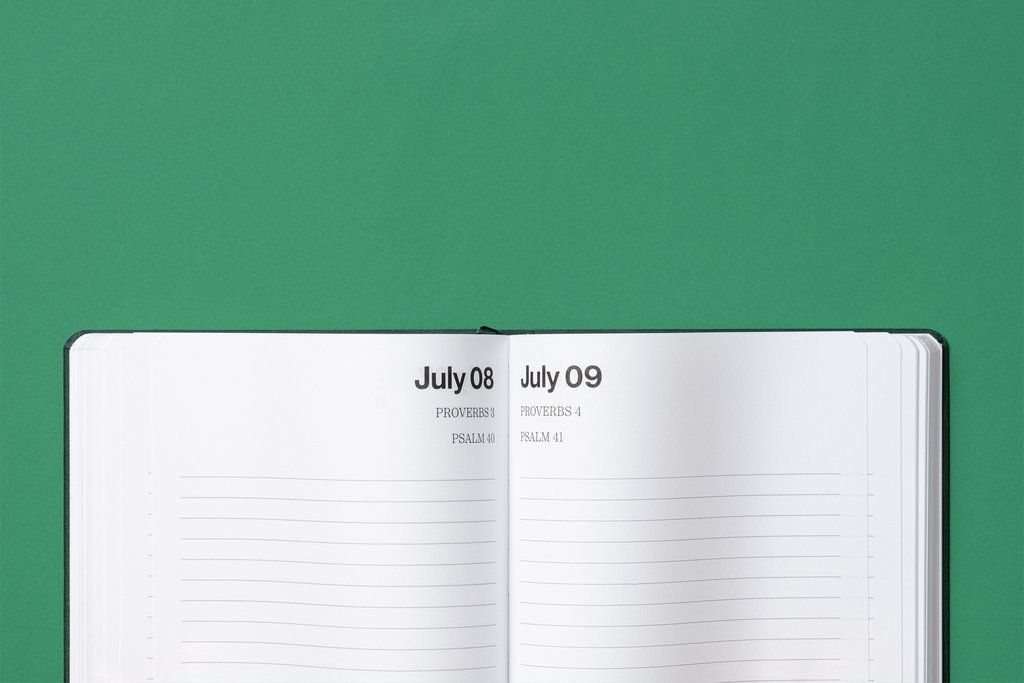
What do you mean by “printed inside pages”?
“Printed pages inside” can mean anything from two branded intro pages, to a fully designed 200-page guided journal with templates, prompts, trackers and section dividers. A manufacturer can only price and advise properly when the scope is clear.
A quick way to define the scope is to place your interior into one of these three buckets:
- A short intro section added to a standard notebook
- A hybrid interior (structured section + notes pages)
- A fully designed interior where every page is part of a system
You can build great products in any of these buckets. The important part is choosing the one that matches where you are as a brand.
Three interior approaches, explained
1) Intro section added to a standard notebook
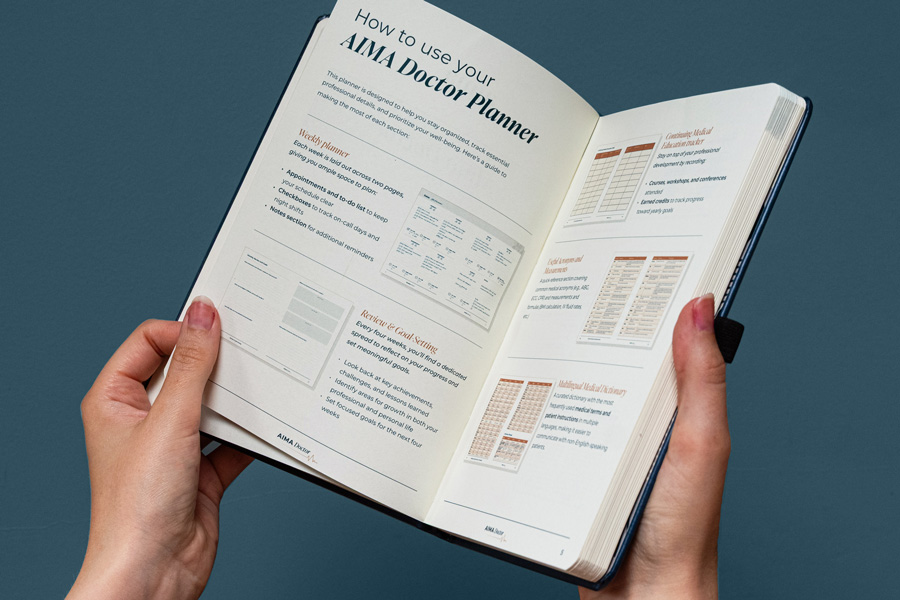
This is often the cleanest way to add real brand value without overbuilding. You keep the bulk of the notebook as lined, dotted, grid, or blank pages, and you add a printed section at the front. It might include a welcome note, “how to use this” pages, a short system, or a few templates.
This works well when you want something that feels custom but stays flexible for the user. It also keeps the production side simpler and makes editing easier if you learn something after launch. This can be done by adding printed inserts at the start of your notebook or by utilising endpapers.
2) Hybrid interior: structured section + notes pages
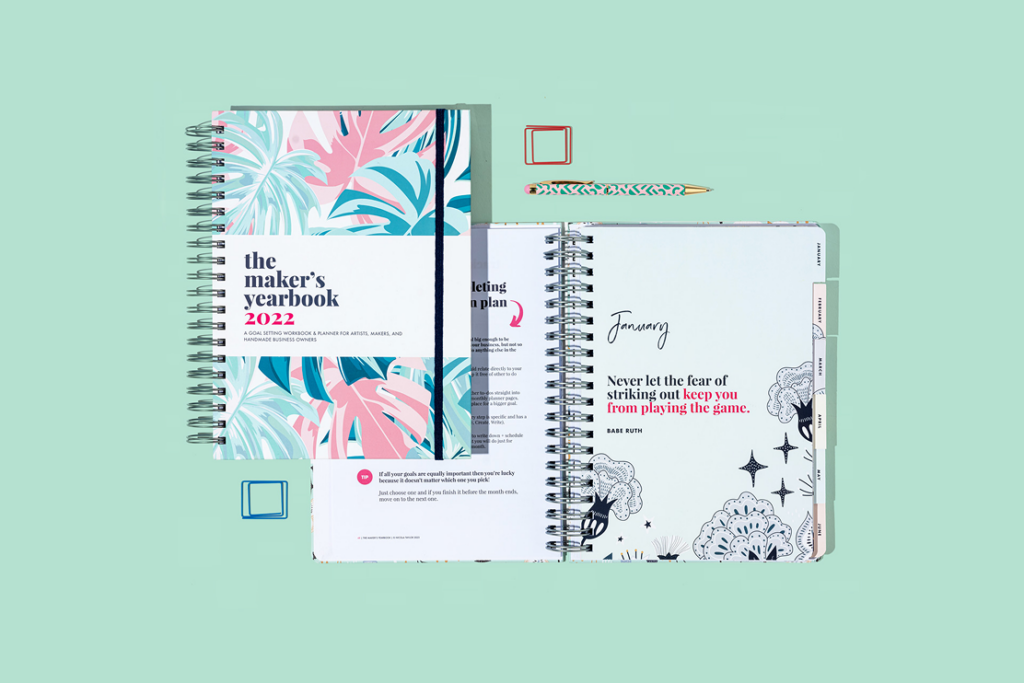
A hybrid interior is one of the most popular formats for journal brands, because it gives you a clear “method” without forcing structure on every single page. You might have a planning system at the front and plain notes at the back, or structured weekly layouts followed by dotted notes pages.
This approach tends to work well commercially because it serves two use cases: people who want guidance and people who want space. It also gives you an easy path for a second edition, because you can refine the structured part without rebuilding the whole book.
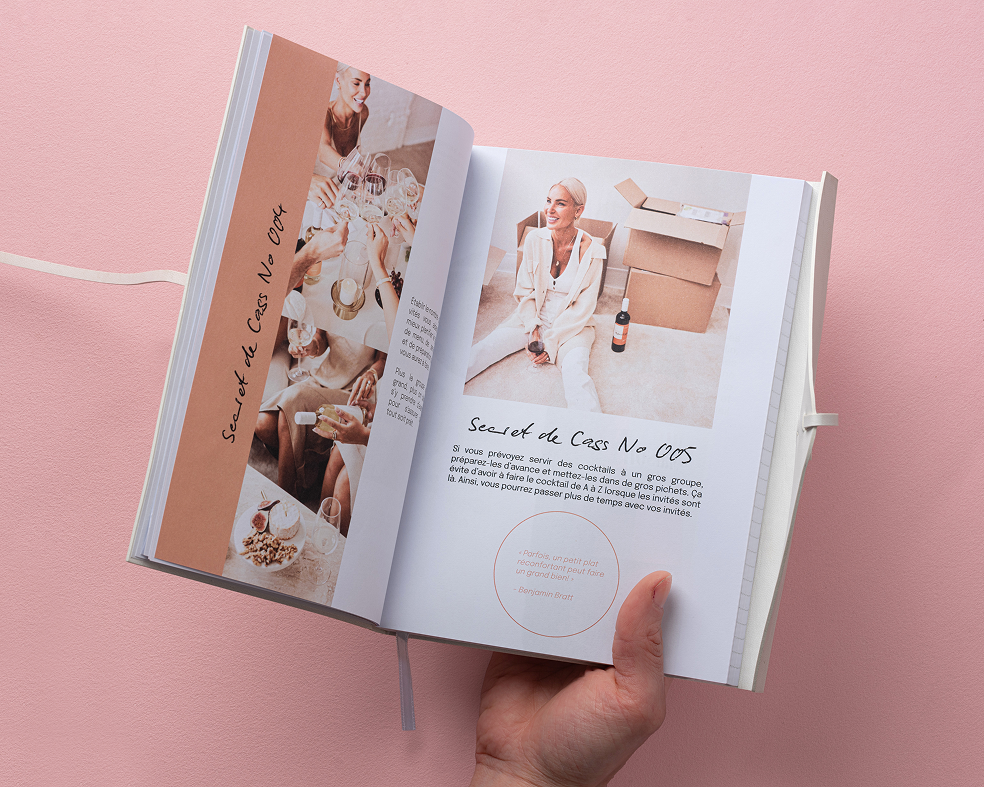
3) Fully designed interior: the full system journal
This is the classic guided journal format. Every page is designed. Layout, prompts, templates, habit tracking, reflections, check-ins, section intros, all of it. This can be a brilliant product when the system is genuinely useful and the writing tone feels human.
This is also where discipline matters most. Overbuilding the interior is expensive. It increases proofing time, increases the risk of pagination errors, increases the chance of user fatigue, and increases unit cost through page count and colour.
A strong system is clear quickly. Someone should understand what the journal does within the first minute of opening it.
What affects the cost of interior printing
Page count
Page count is one of the biggest cost levers. It affects paper, press time, spine width, shipping weight, fulfilment cost, and storage. Many journals get expensive because page count creeps during the design process. Editing matters. If you can remove 20 pages without losing the concept, you usually should.
Colour
Interior colour is the second big lever. The options most brands choose are:
- 1-colour interiors (clean, affordable, strong for text-heavy systems)
- 2-colour interiors (great for templates, sectioning, clarity)
- Full colour interiors (useful when visuals are core to the experience)
There’s a common trap where a journal doesn’t need full colour, but the design has drifted into it. If the purpose is clarity, two-colour often gets you most of the benefit.
Coverage
A full-colour interior where every page is covered in design elements costs more than a full-colour interior where colour is used sparingly. Heavy ink coverage also affects the feel of the page and how it performs with pen. A lot of the best journals use colour deliberately, rather than everywhere.
Paper
Paper choice matters more for interiors than covers, because it changes the writing experience. If you expect users to write daily, choose a stock that handles common pens without show-through. Opacity, surface finish, and weight all matter. The best way to choose is to sample a few paper options and test them with the pens your customers actually use.
Binding
Interiors that include lots of full-bleed design, thicker stocks, or high page counts may push you towards certain bindings. Hardback casebound is common for premium journals. Perfect bound works well for slimmer guided journals. The binding decision impacts how the book opens, how durable it feels, and how “premium” it reads.
Design decisions that improve usability and keep cost under control
Most people think interior design is about adding pages. In practice, it’s about removing friction. A good interior feels obvious to use.
Here are decisions that tend to improve usability while keeping budgets sensible:
- Keep your design simple enough that it doesn’t need a long explanation
- Build sections with repetition that helps, not repetition that fills pages
- Use colour for structure and signposting, not decoration
- Avoid tiny text and crowded layouts – it reduces daily use
- If you need variety, use section changes rather than endless layout changes
- If you want premium feel, consider paper choice and cover finishing before adding more interior complexity
What to send when asking for a quote for printed interiors
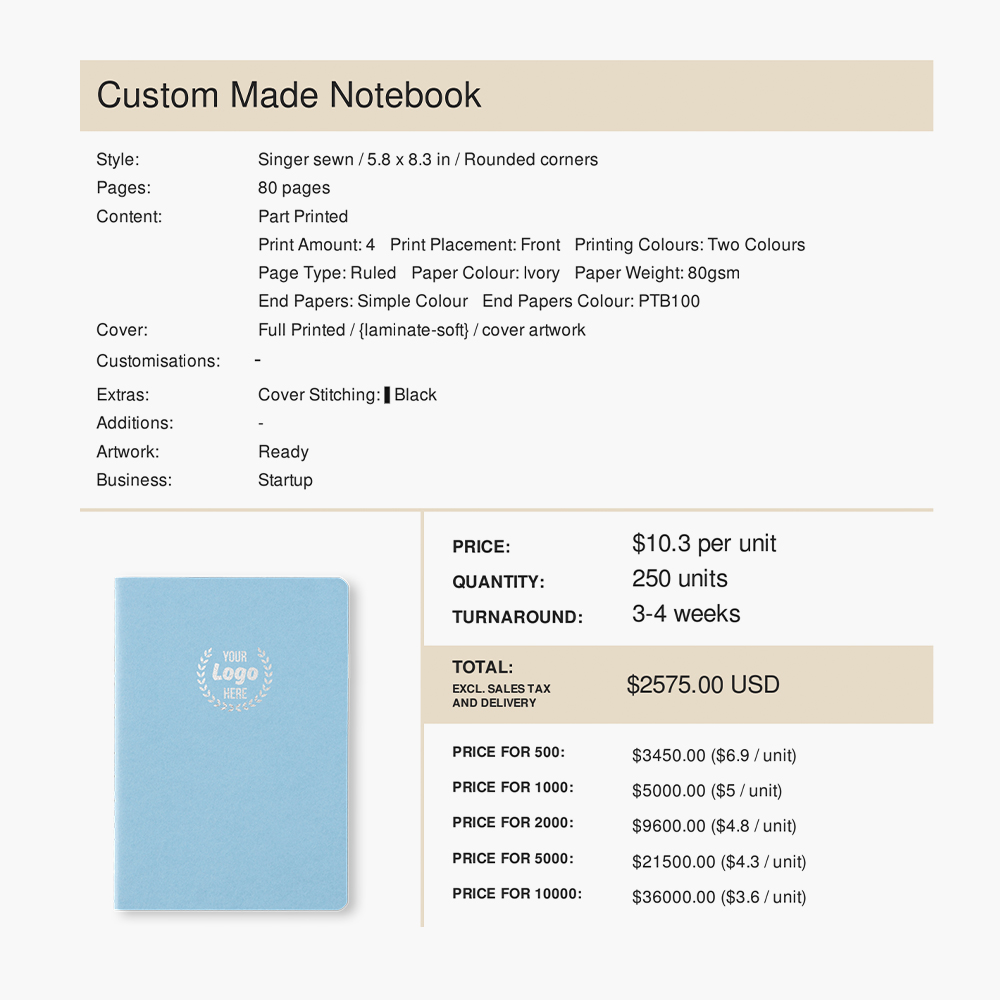
If you want a manufacturer to quote properly, you need to describe the interior in production terms, not just concept terms. Send:
- Size and orientation
- Page count (final or estimated)
- Binding type
- Colour spec (1-colour, 2-colour, full colour)
- Whether colour is light coverage or heavy coverage
- Any split sections (templates + notes pages)
- A draft interior PDF if you have it, even if it’s early
Proofing: how to avoid expensive mistakes
Proofing is where most problems are caught. For custom interiors, a sensible proofing process usually includes:
- A file check for bleed, safe areas, and pagination
- A print proof of key pages for colour and layout checks
- A check of how the paper performs with writing
- Final sign-off on the full interior PDF before production
If you’re working with Bookblock, we push for a clean proofing process because interior printing is the area where small errors get multiplied across hundreds or thousands of books.
Quick FAQs
Can you print just a few pages inside and keep the rest plain?
Yes. It’s one of the best ways to make a notebook feel custom without committing to a full system.
Should I start with a fully designed interior for my first product?
Sometimes. It depends on how confident you are in the system. If you expect to learn and refine, a hybrid interior or insert section can be a better first step.
What’s the biggest mistake with printed interiors?
Overbuilding. Too many assumptions, too many pages, too much colour, and too little testing with real users.